diciembre 13, 2025 3 lectura mínima


Introduction to Tibetan Sowa Rigpa Informational Healing

In today’s fast-paced, high-pressure world, professionals between the ages of 28 and 60 are increasingly searching for health systems that go beyond symptom control. This is where Tibetan Sowa Rigpa informational knowledge becomes especially relevant. Rooted in centuries of Tibetan wisdom, Sowa Rigpa often translated as the “Science of Healing” offers a holistic, preventive, and deeply personalized approach to health.

Unlike modern medicine, which often treats illness after it appears, Sowa Rigpa focuses on maintaining balance before disease arises. For new-age professionals juggling careers, families, and mental demands, this ancient system provides practical tools for long-term vitality, emotional resilience, and mental clarity.


What Is Sowa Rigpa? Understanding the Science of Healing

Sowa Rigpa is one of the world’s oldest living medical systems, practiced for over 2,000 years across Tibet, the Himalayas, Mongolia, and parts of India. It blends elements of Ayurveda, Chinese medicine, Buddhist philosophy, and indigenous Tibetan practices.

At its core, Sowa Rigpa views health as a dynamic balance between the body, mind, and environment. Illness is not random—it arises when natural harmony is disturbed by lifestyle, diet, emotional stress, or environmental factors.

This systems-based thinking resonates strongly with professionals who value sustainability, personalization, and long-term results rather than quick fixes.


The Three Nyepas: Foundation of Tibetan Medicine

Central to Sowa Rigpa are the Three Nyepas, or bodily energies, which govern all physical and mental processes:

1. Lung (Wind Energy)

  • Governs movement, breathing, circulation, and the nervous system

  • Imbalance often shows up as anxiety, insomnia, restlessness, or burnout

  • Common among professionals facing chronic stress and overthinking

2. Tripa (Fire Energy)

  • Controls digestion, metabolism, intelligence, and body temperature

  • Excess Tripa can cause anger, inflammation, acidity, and perfectionism

  • Often dominant in ambitious, high-achieving individuals

3. Beken (Earth & Water Energy)

  • Supports stability, immunity, lubrication, and emotional grounding

  • Imbalance leads to lethargy, weight gain, congestion, or low motivation

Health is achieved when these three energies remain in balance, unique to each individual’s constitution.


Why Sowa Rigpa Appeals to New-Age Professionals

Modern professionals are redefining success—not just by productivity, but by sustainable well-being. Sowa Rigpa aligns perfectly with this shift.

Key Reasons for Its Growing Popularity

  • Preventive Focus: Addresses health before disease manifests

  • Personalized Care: No one-size-fits-all treatments

  • Mind-Body Integration: Mental health is inseparable from physical health

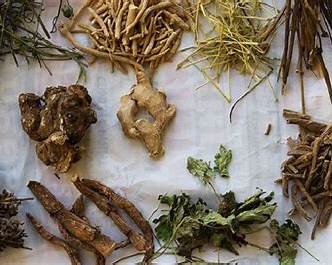
  • Natural Therapies: Herbal formulations, diet, behavior, and mindfulness

  • Burnout Recovery: Especially effective for stress-related disorders

For professionals managing deadlines, digital overload, and lifestyle-related health concerns, Sowa Rigpa offers a grounded and practical alternative.


Diet and Lifestyle in Sowa Rigpa

Food and daily habits are considered medicine in Tibetan healing.

Dietary Principles

  • Food is prescribed based on constitution, season, and digestion strength

  • Warm, cooked meals are preferred to support digestive fire

  • Over-processed, cold, and incompatible food combinations are discouraged

Lifestyle Guidance

  • Structured daily routines promote mental stability

  • Adequate sleep aligned with natural rhythms

  • Conscious work-rest balance to avoid Lung imbalance

These recommendations are especially valuable for professionals working long hours or across time zones.


Mental Health and Emotional Balance

Sowa Rigpa places remarkable emphasis on mental well-being. According to Tibetan medicine, unresolved emotions such as attachment, anger, and ignorance are root causes of physical illness.

Practices often include:

  • Breath awareness

  • Gentle meditation

  • Behavioral awareness

  • Ethical living aligned with inner values

For professionals dealing with anxiety, decision fatigue, or emotional exhaustion, this integrated approach provides both clarity and calm.


Scientific Recognition and Global Acceptance

Sowa Rigpa is officially recognized in India under the Ministry of AYUSH and continues to gain global interest. Research institutions are increasingly studying its herbal formulations and diagnostic methods.

You can explore official resources through the Ministry of AYUSH, Government of India for further credibility and updates.


Frequently Asked Questions (FAQs)

1. Is Sowa Rigpa suitable for working professionals?

Yes. Its preventive and lifestyle-based approach is ideal for busy professionals.

2. Can Sowa Rigpa be used alongside modern medicine?

In many cases, yes under guidance from qualified practitioners.

3. Does it help with stress and burnout?

Absolutely. Lung-balancing therapies are particularly effective for stress disorders.

4. Are Tibetan medicines safe?

When prescribed by trained practitioners and sourced responsibly, they are generally safe.

5. How long does it take to see results?

Results vary, but many people notice improvements within weeks through lifestyle and diet changes.

6. Is this system spiritual or religious?

While influenced by Buddhist philosophy, Sowa Rigpa is a medical science accessible to all.


Conclusion: Ancient Wisdom for Modern Living

In an era where professionals are seeking depth, balance, and longevity, Sowa Rigpa stands out as a timeless yet practical system of healing. This Tibetan Sowa Rigpa informational guide highlights why ancient knowledge continues to thrive in modern contexts offering clarity, resilience, and sustainable health for those who demand more from life than short-term solutions.

By embracing balance rather than burnout, Sowa Rigpa empowers professionals to thrive not just survive.

Dejar un comentario

Los comentarios se aprobarán antes de mostrarse.